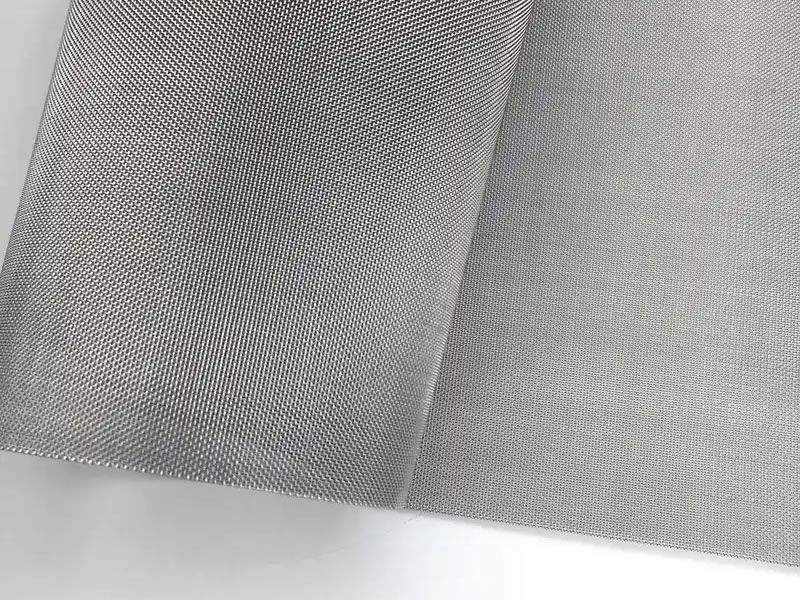
Cylindrical Filter Screens for Plastic Extrusion and Polymer Filtration Systems
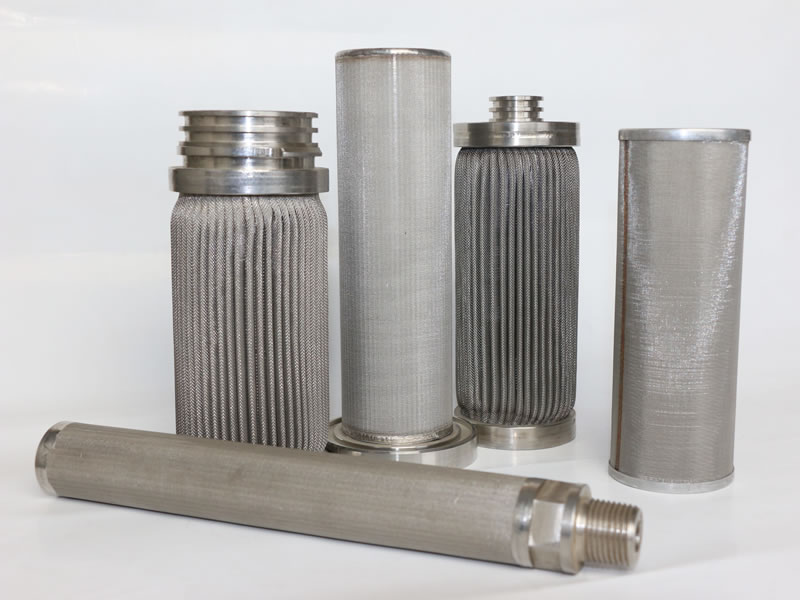
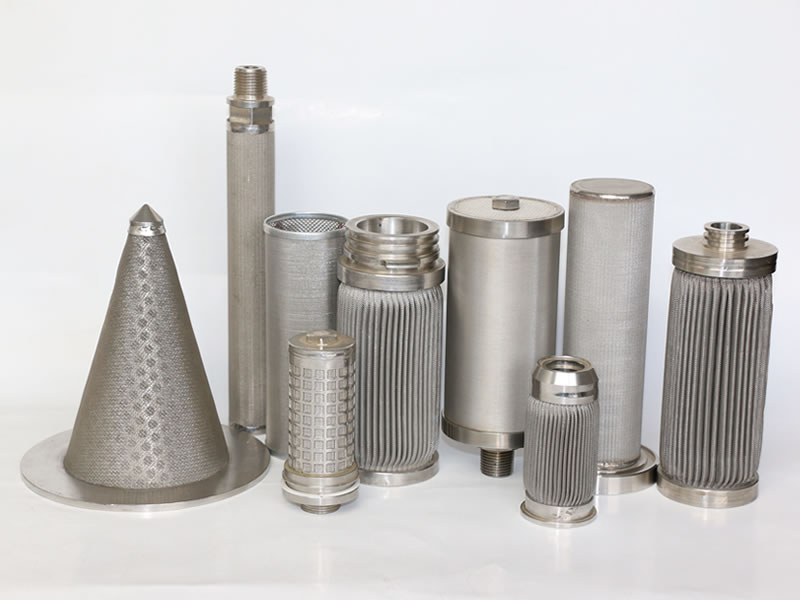
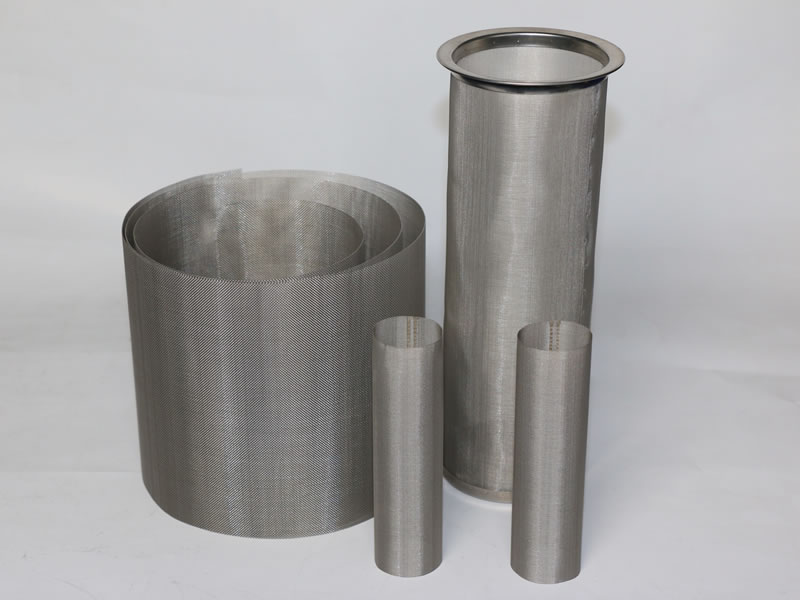
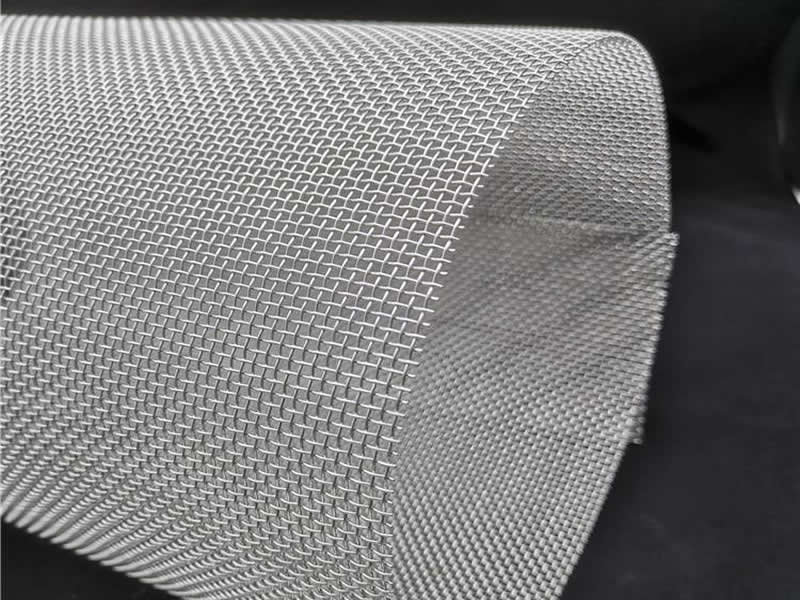
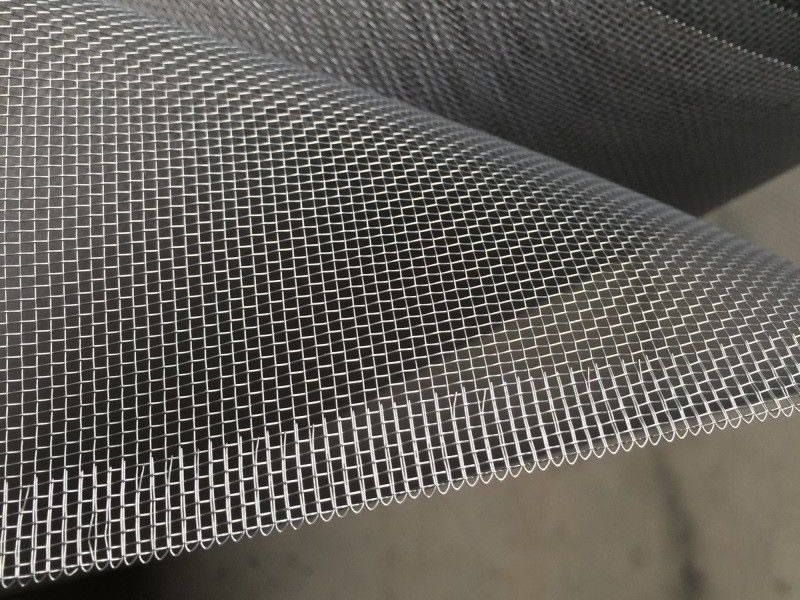
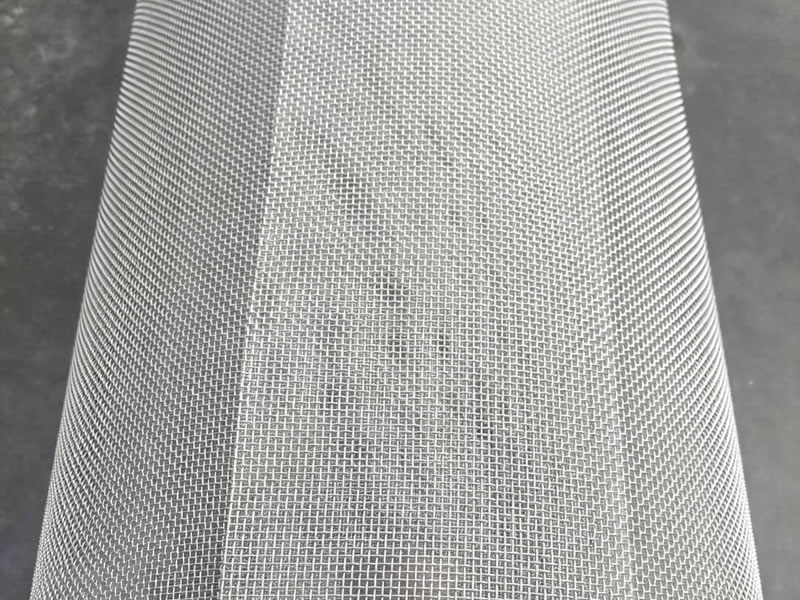
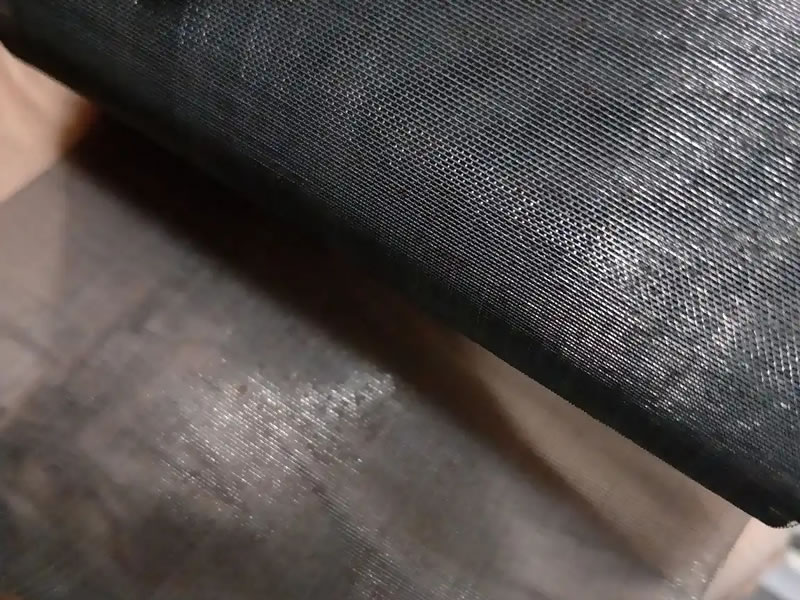
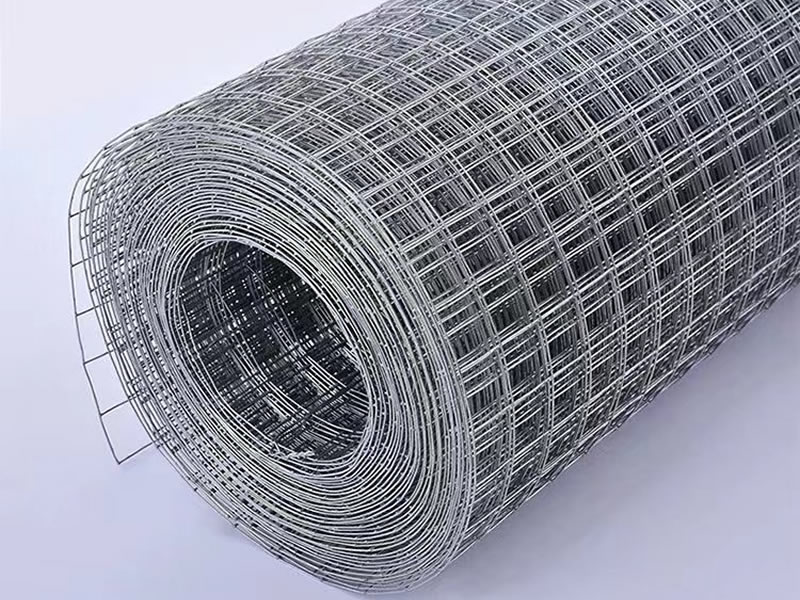
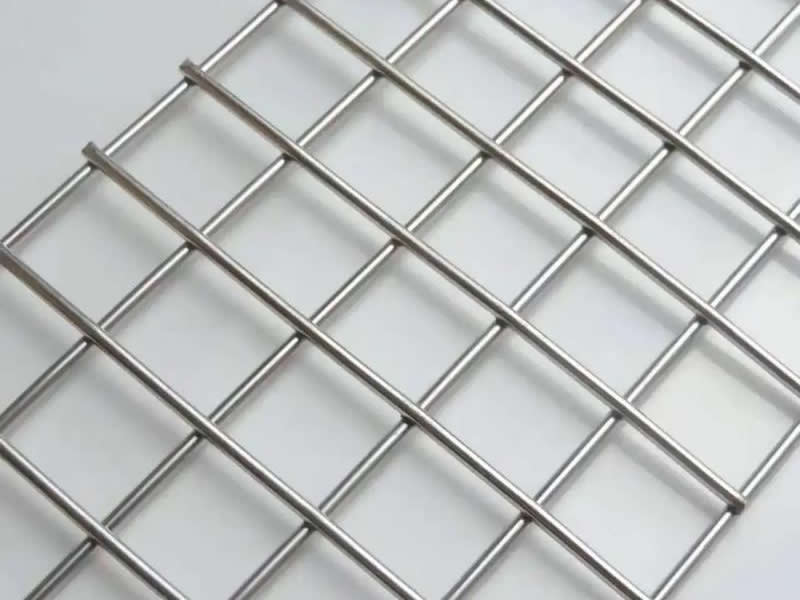
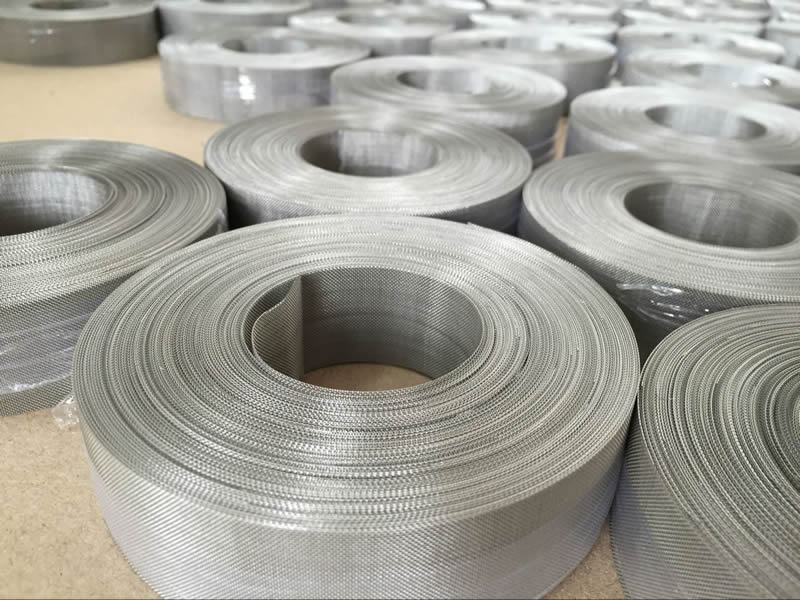
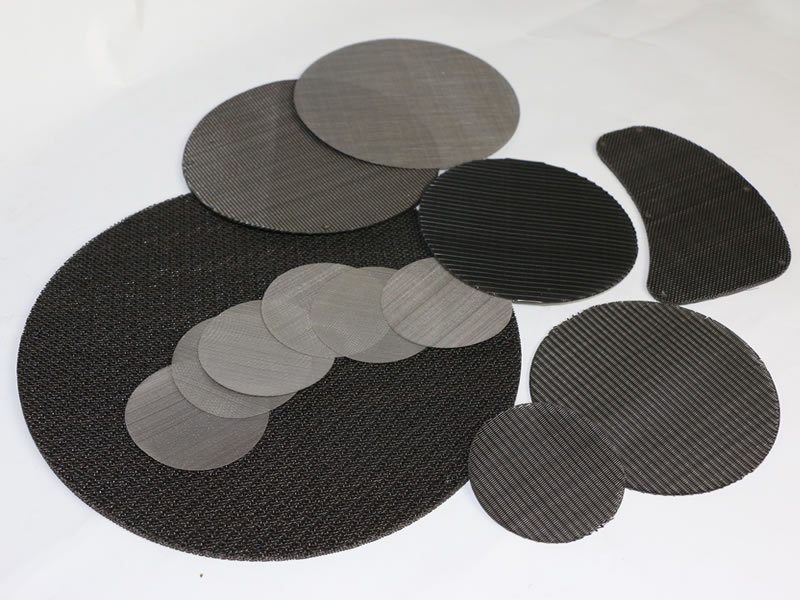
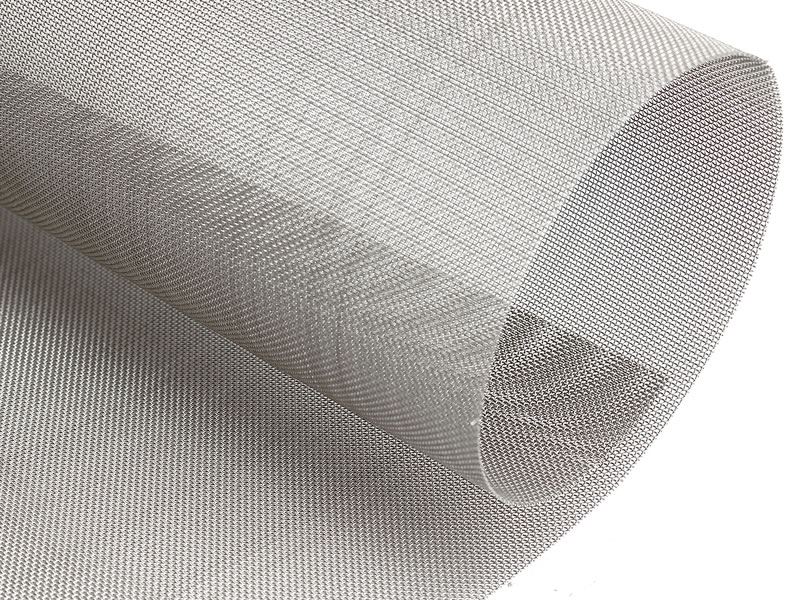
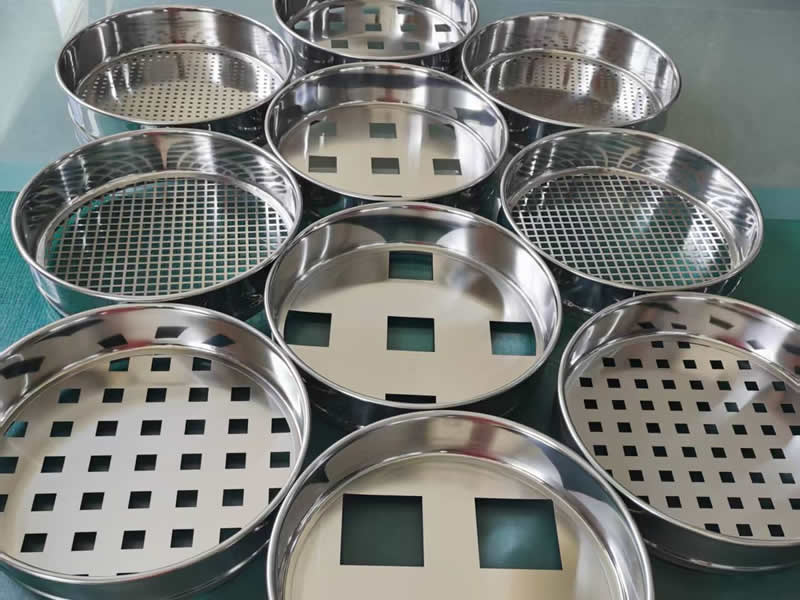
Cylinder Filters, also known as cylindrical filter screens, are made from stainless steel wire mesh, perforated metal, or sintered mesh. They are produced using plain weave, twill weave, Dutch weave structures to provide particle filtration and separation. With high strength, corrosion resistance, and precise filtration performance, cylinder filters are used in plastic extrusion, polymer processing, chemical filtration, liquid filtration, and industrial separation systems.
Specifications
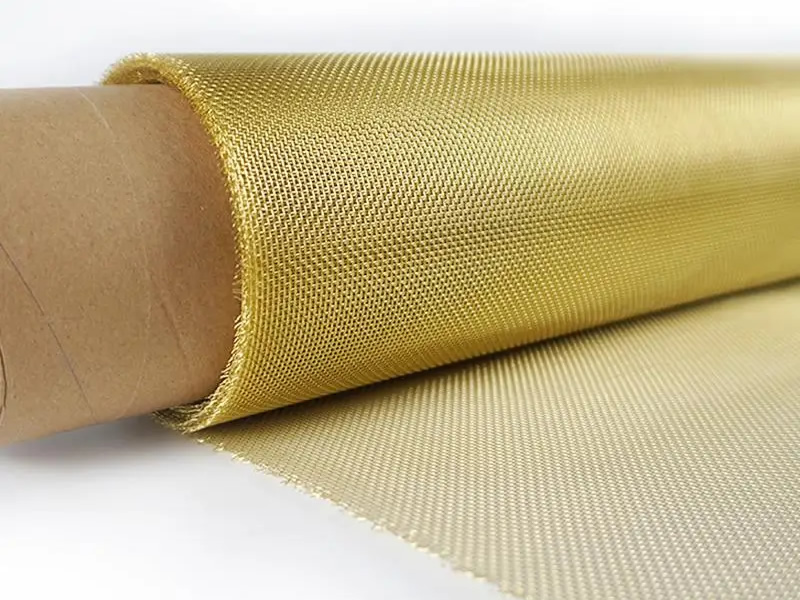
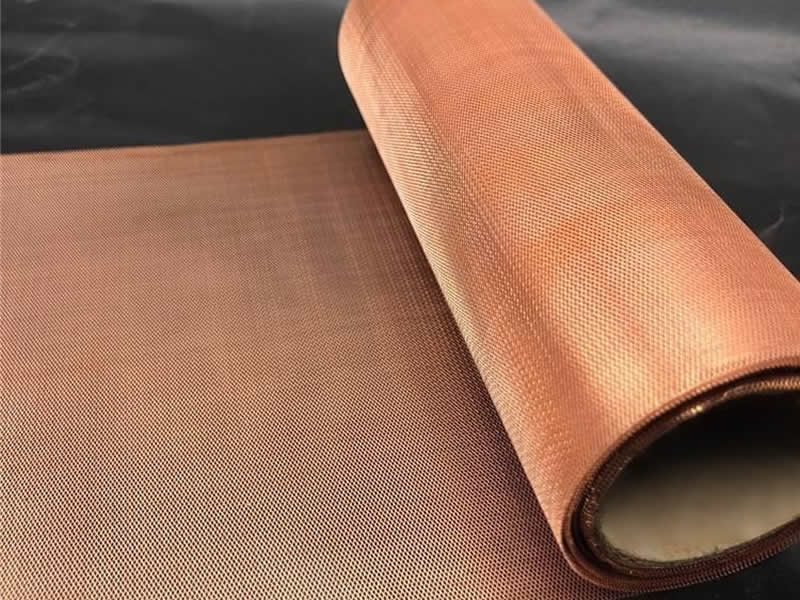
- Material: Stainless steel, nickel, alloy steel, galvanized steel, and brass wire mesh materials.
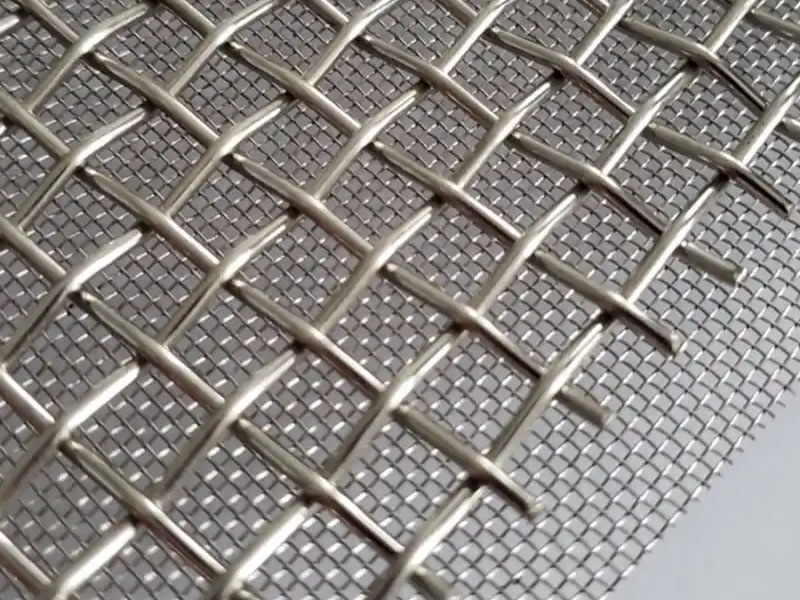
- Weaving Methods: Plain weave, twill weave, Dutch weave, and reverse Dutch weave mesh structures.
- Mesh Count Range: 1–635 mesh per inch.
- Aperture Size Range: 20 μm–20 mm
- Wire Diameter: 0.02–2.0 mm wire diameter options.
- Cylinder Diameter: 10–500 mm diameter options with custom sizes available.
- Cylinder Length: 50–2000 mm lengths with customized dimensions.
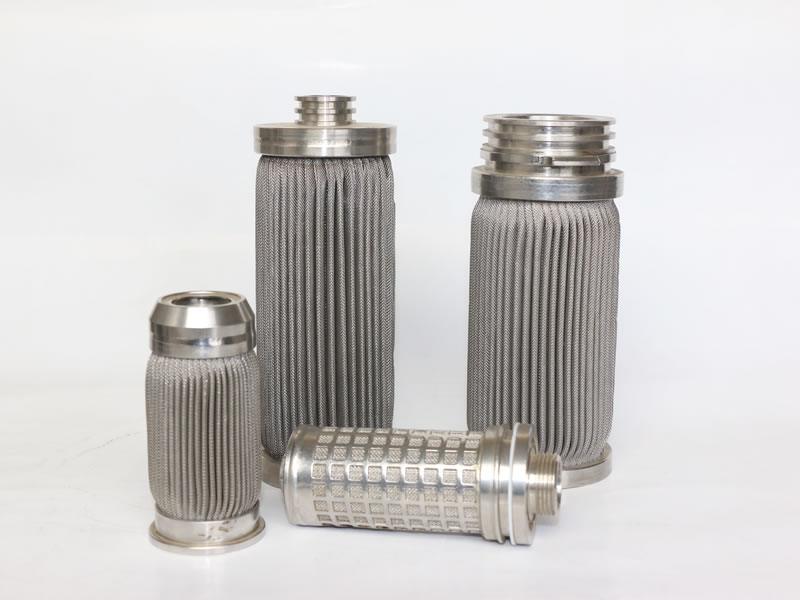
- Filter Shape Types: Round cylinder filters, conical filters, pleated cylinder filters, and custom shapes.
- Surface Treatments: Polished finish, galvanized coating, passivation treatment, and custom surface processing.
- Customization: Custom mesh count, diameter, length, layer number, material, and connection method.
Features
- High Dirt-Holding Capacity: Maximizes filtration surface area within compact housing spaces.
- Cleanable and Reusable: Supports backwashing, ultrasonic cleaning, and chemical washing to extend operational lifespan.
- Pressure Resistance: Prevents mechanical deformation under elevated pressure differentials and flow velocity.
- Thermal Stability: Operates continuously in high-temperature environments without material degradation.
- Uniform Flow Distribution: Maintains consistent flow rates and pressure drops across the filtration media.
Applications
- Chemical Processing: Filters contaminants and solid particulates from aggressive acids, solvents, and chemical solutions.
- Oil and Gas Extraction: Removes sand, scale, and sediment from crude oil, natural gas, and hydraulic fracturing fluids.
- Water Treatment: Traps suspended solids in industrial wastewater, seawater desalination, and municipal filtration systems.
- Hydraulic Systems: Captures wear debris and particulates to protect pumps, valves, and actuators in heavy machinery.
- Pharmaceutical Manufacturing: Purifies process gases, solvents, and liquid active ingredients during sterile production.
- Food and Beverage Production: Filters syrups, edible oils, beverages, and steam used in sanitary processing lines.
- Automotive and Aerospace: Separates impurities from engine fuels, lubricants, and pneumatic systems.