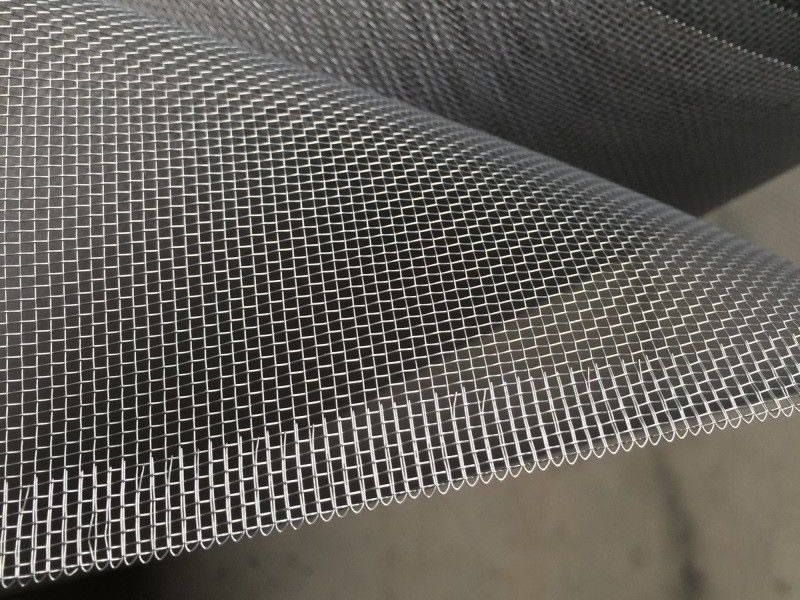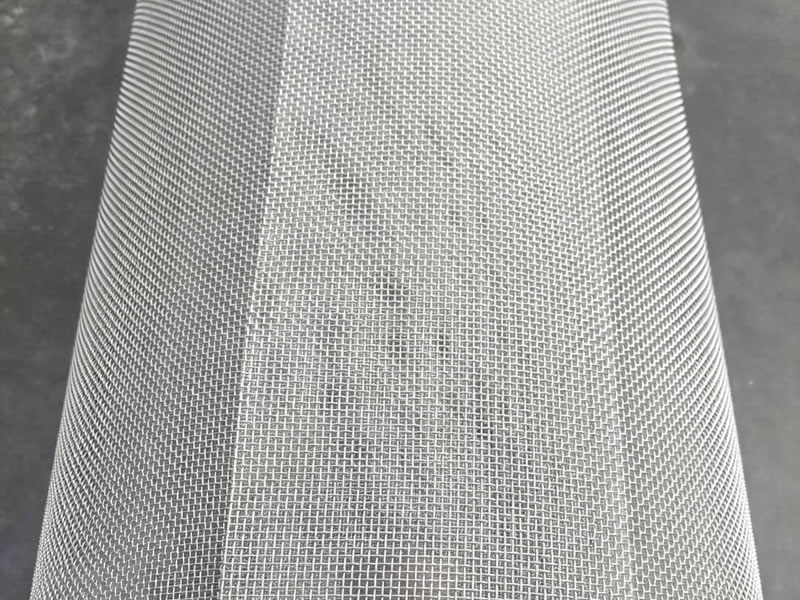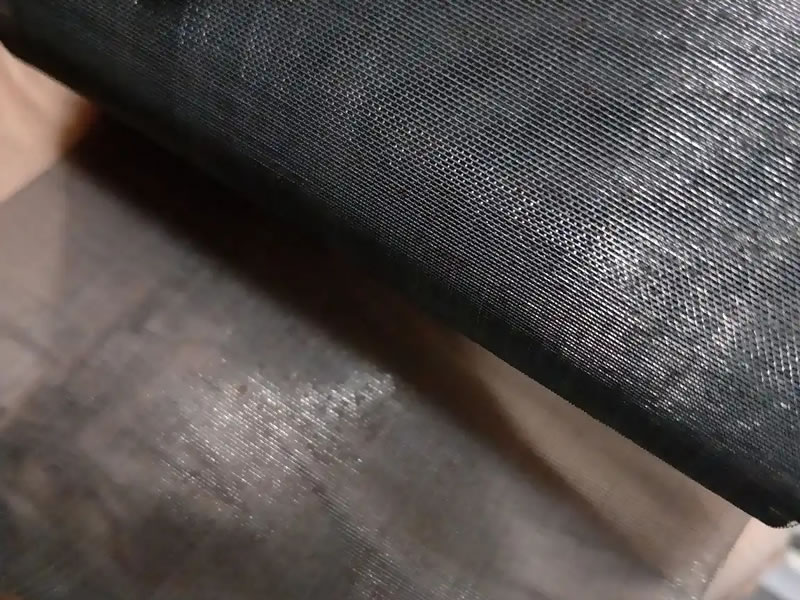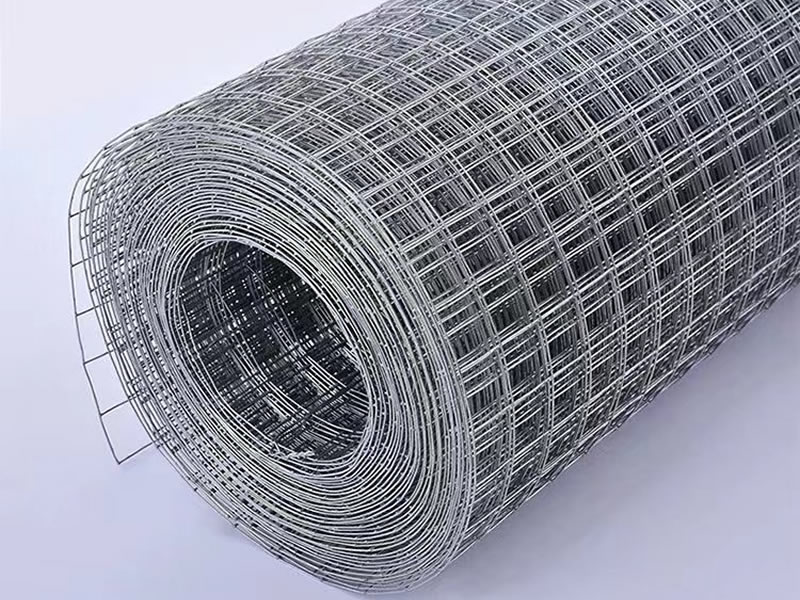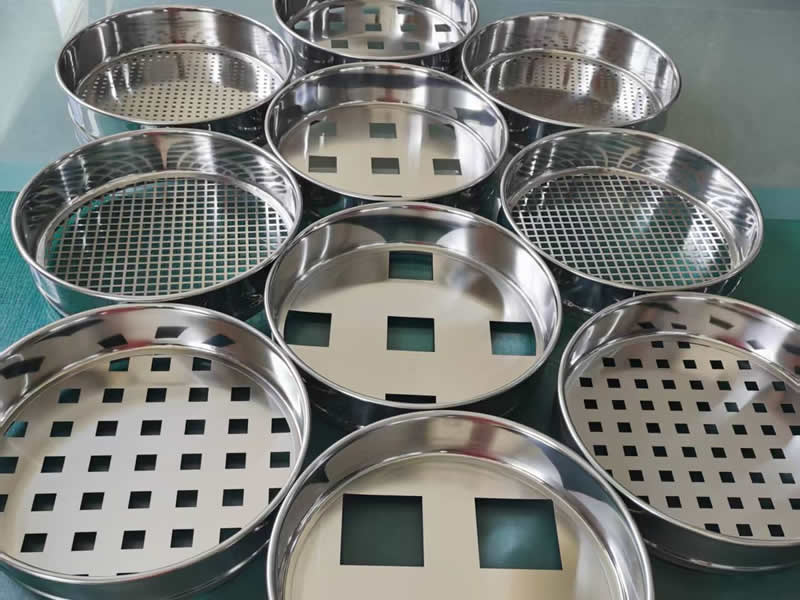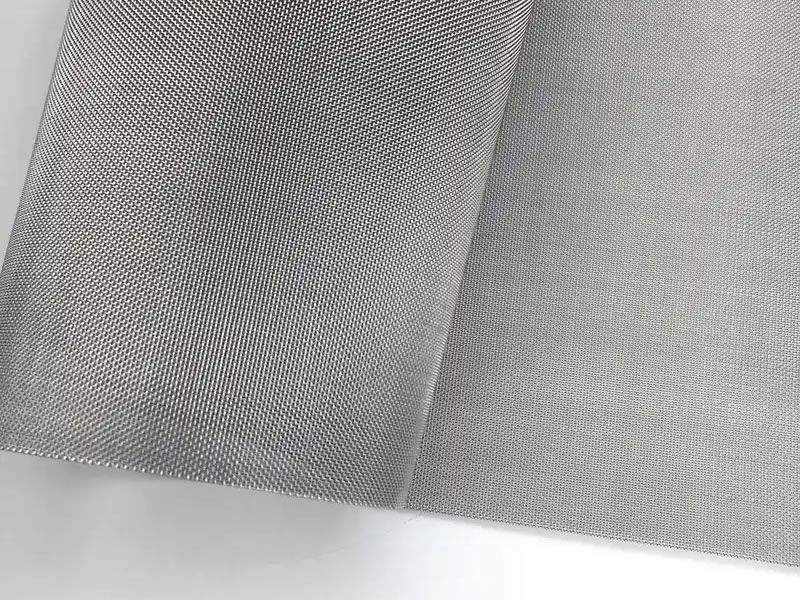
Filter Screens Specifications Materials Weaving Methods
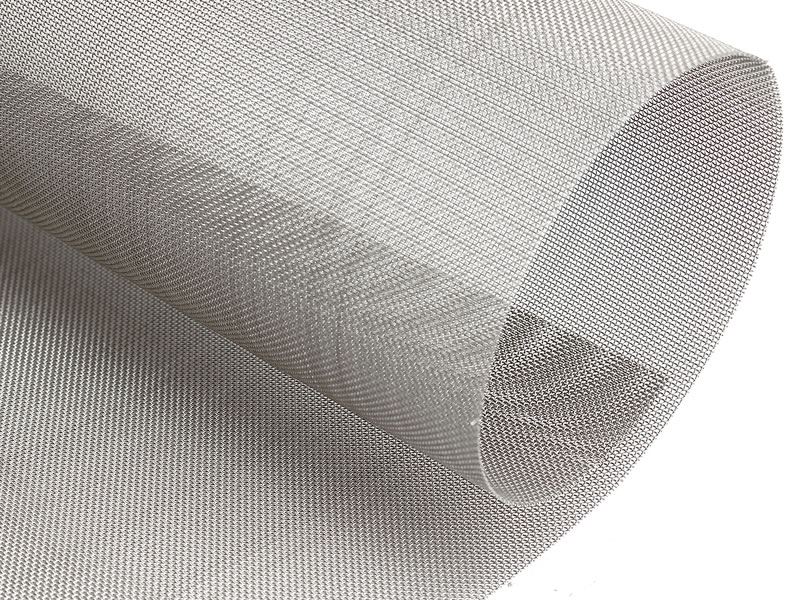
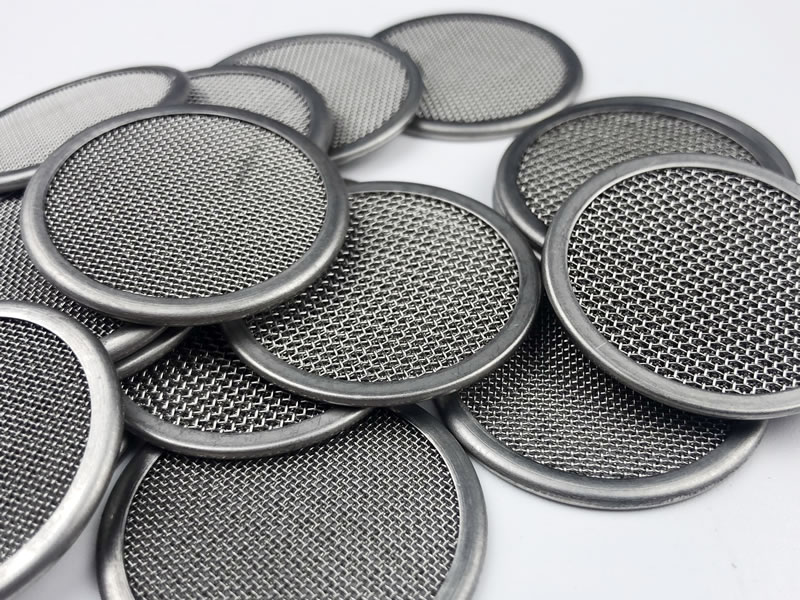
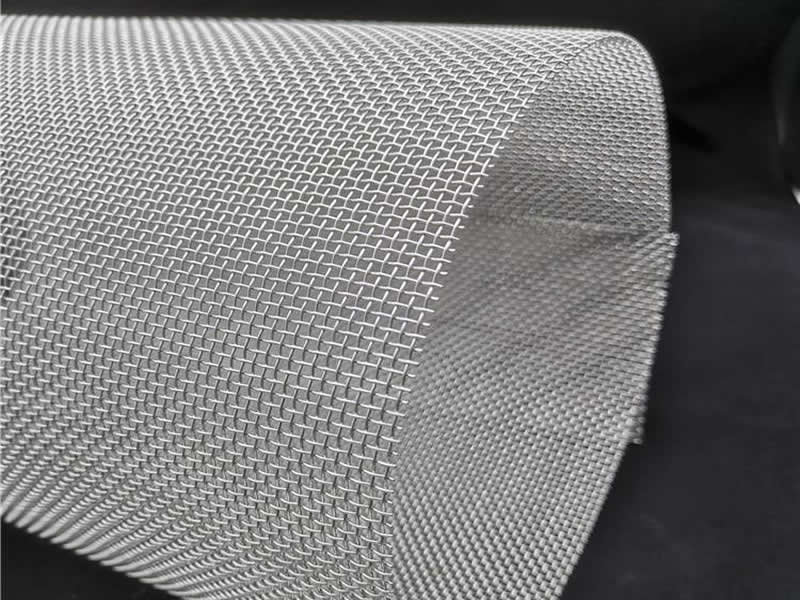
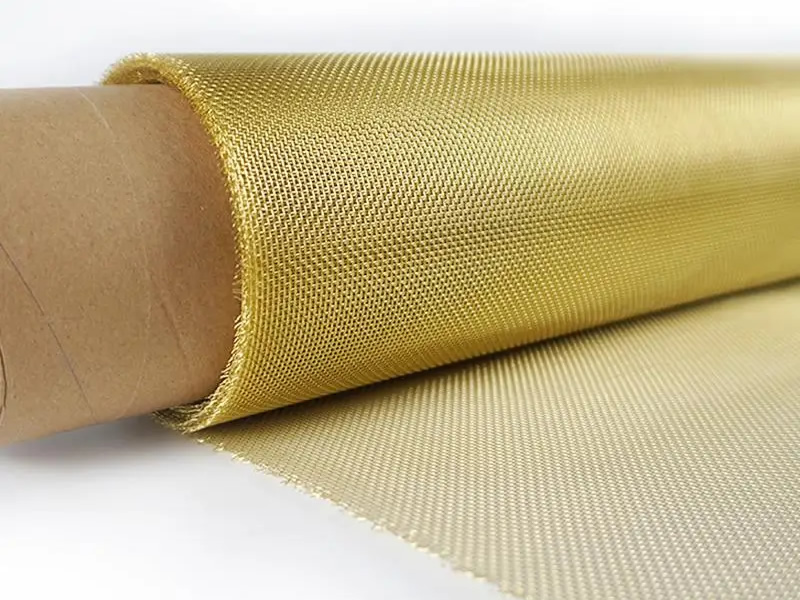
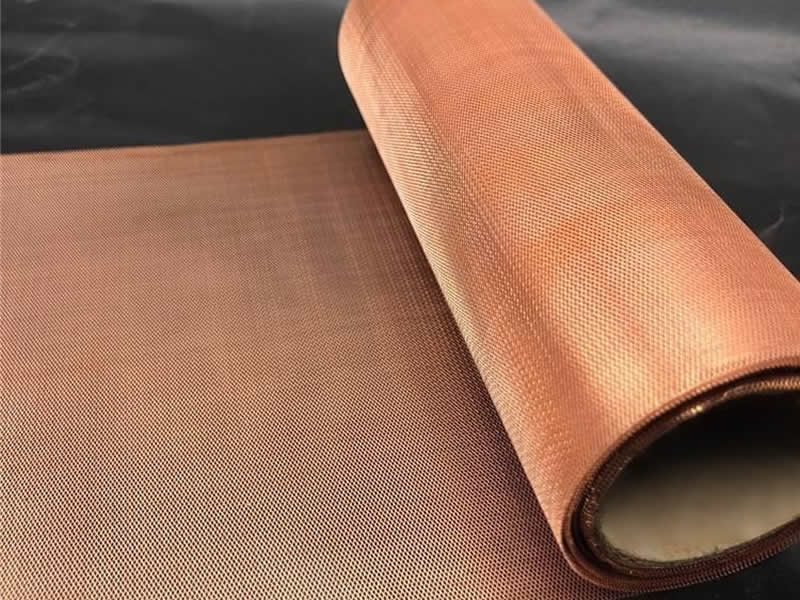
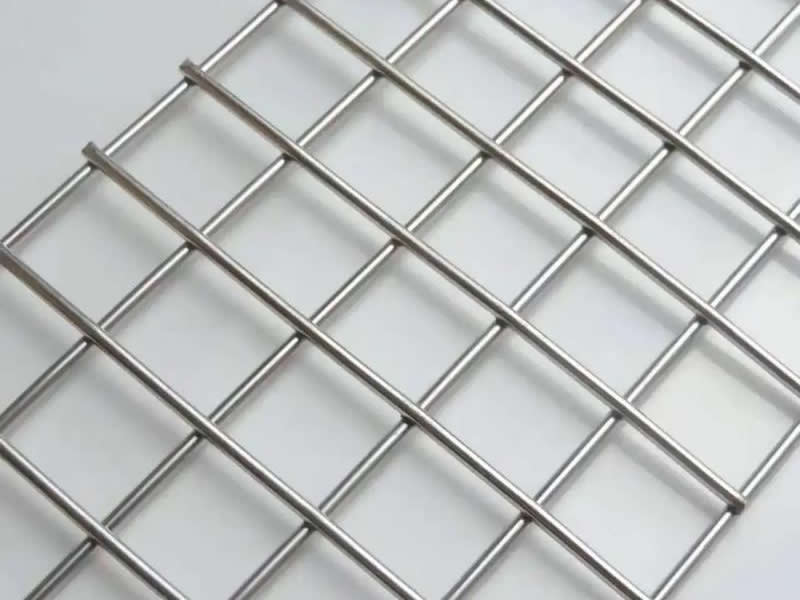
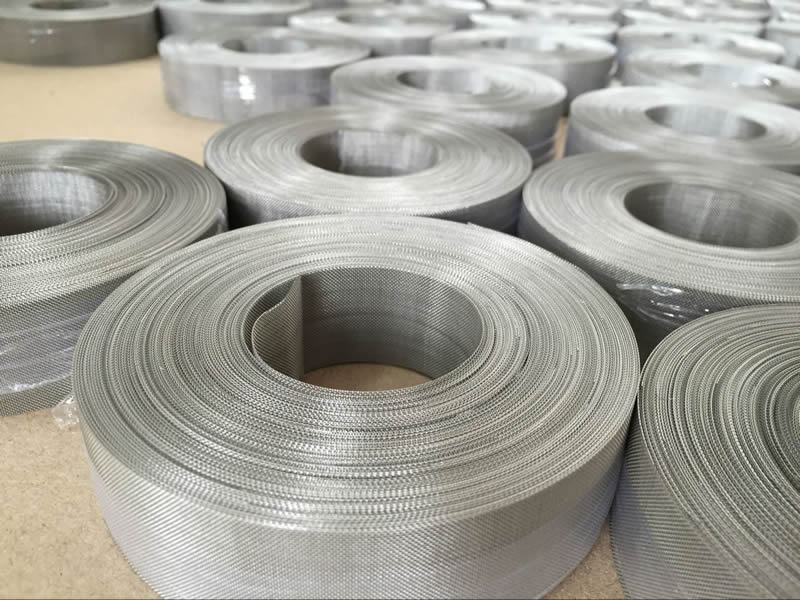
Filter Screens are made from stainless steel, nickel, brass, and alloy wire mesh for liquid, gas, and polymer filtration. Weaving methods include plain weave, twill weave, Dutch weave, and multi-layer mesh structures. Features include filtration accuracy, corrosion resistance, pressure resistance, and custom sizes. Applications include extrusion, chemical processing, food filtration, petroleum filtration, water treatment, and industrial separation systems.
Specifications
- Material Types: Stainless steel 304, 304L, 316, 316L, nickel, brass, copper, and alloy wire mesh materials.
- Mesh Types: Woven wire mesh screens, perforated screens, sintered mesh screens, and multi-layer filter screens.
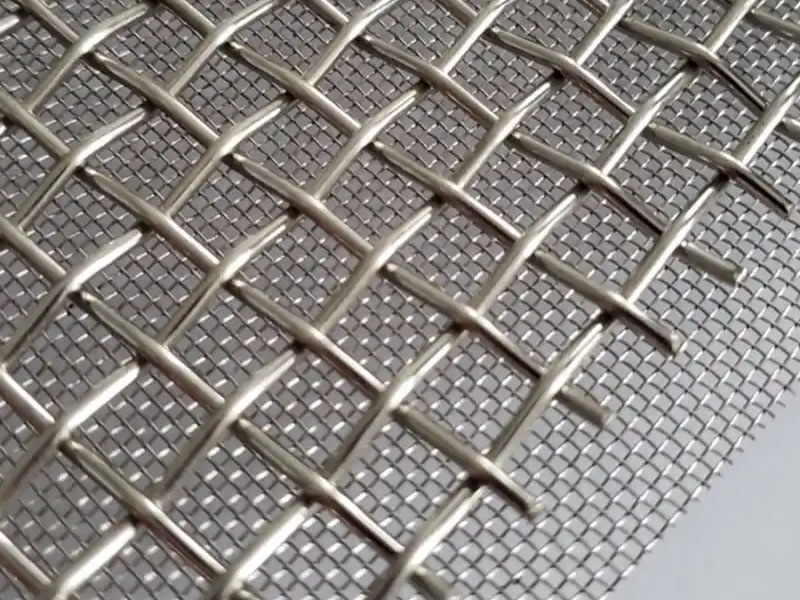
- Weaving Methods: Plain weave, twill weave, Dutch weave, reverse Dutch weave, and five-heddle weave structures.
- Mesh Count Range: 1–635 mesh per inch for different filtration requirements.
- Aperture Size Range: 20 μm–20 mm openings for particle separation and filtration.
- Wire Diameter: 0.02–2.0 mm wire diameter options according to mesh size and application.
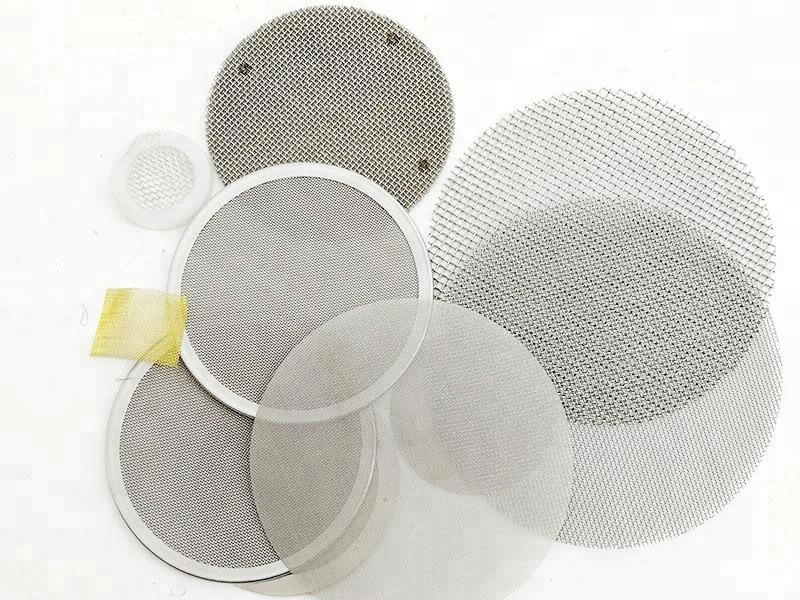
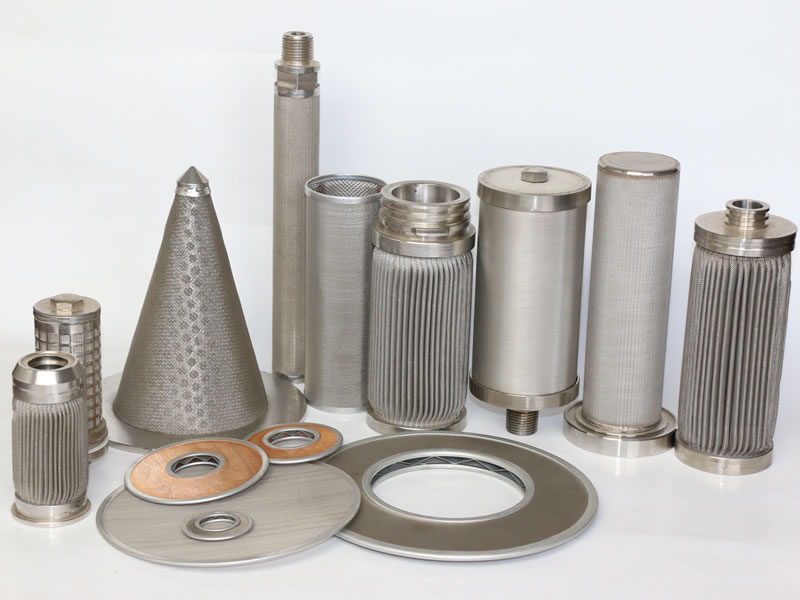
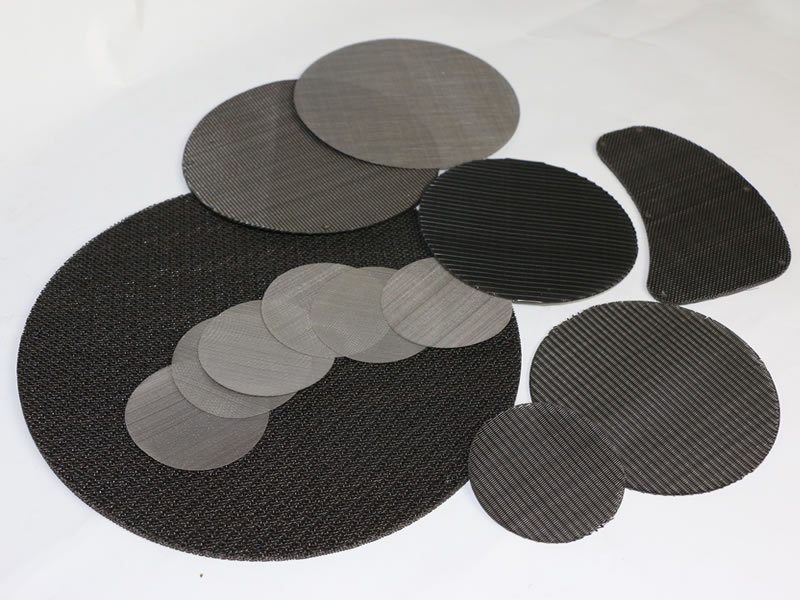
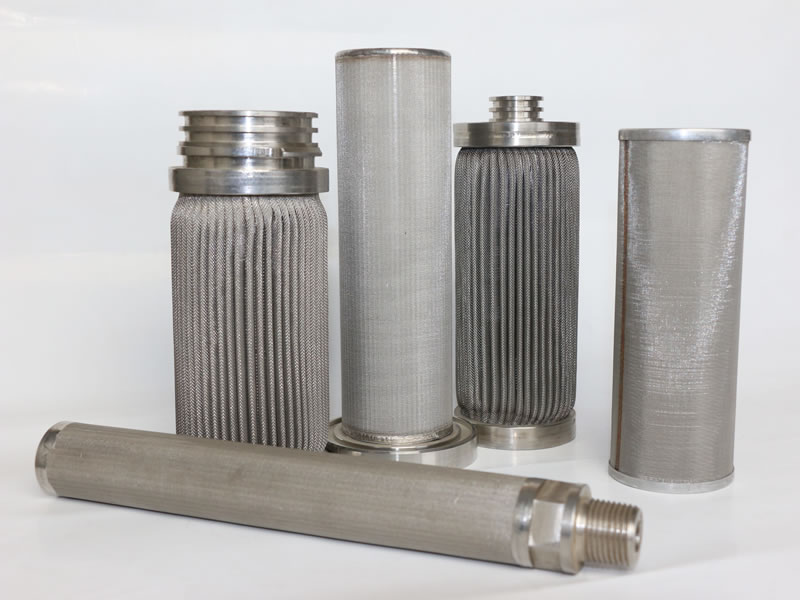
- Screen Shape Types: Round discs, square screens, rectangular screens, cylinders, cones, and custom shapes.
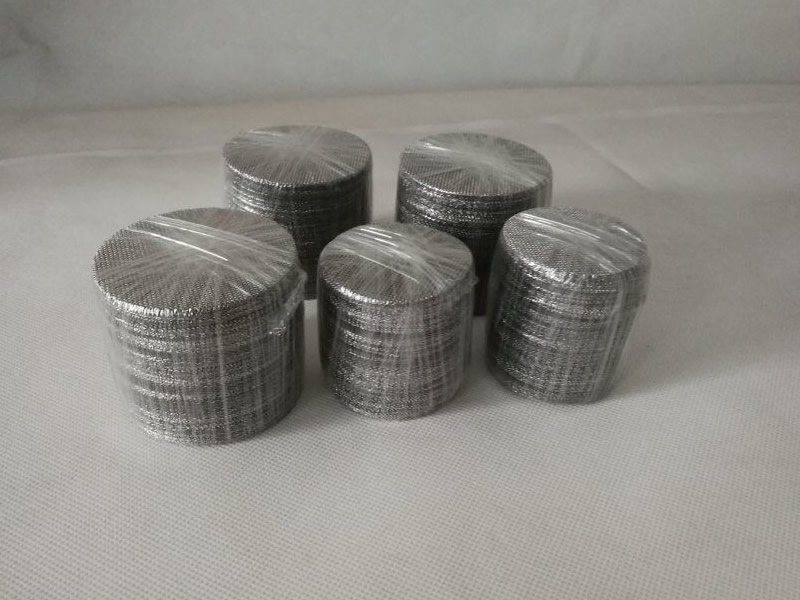
- Filter Pack Types: Single mesh packs, spot welded packs, edge welded packs, and laminated filter packs.
- Screen Size Options: 20–1000 mm diameter or customized dimensions.
- Filtration Ratings: 1–1000 micron filtration ratings based on mesh structure and material.
- Edge Processing: Cut edges, welded edges, framed edges, rolled edges, and reinforced edges.
- Frame Materials: Stainless steel, aluminum, copper, brass, and carbon steel frames.
- Surface Treatments: Polishing, passivation, galvanizing, coating, and custom surface processing.
- Customization Options: Custom mesh count, wire diameter, size, shape, layer structure, material, and filtration accuracy.
Features
- Particle Separation: Used for liquid, gas, and polymer filtration.
- Filtration Accuracy: Controls particle separation through mesh openings and ratings.
- Corrosion Resistance: Suitable for chemical, petroleum, food, and industrial filtration.
- Pressure Resistance: Maintains structure under continuous filtration pressure.
- Reusable Structure: Can be cleaned and reused for filtration applications.
Applications
- Water and Wastewater Treatment: Filters suspended solids, algae, and debris in municipal purification, industrial effluent, and desalination plants.
- Chemical and Petrochemical Processing: Removes particulates from acids, solvents, polymers, and raw chemical solutions during manufacturing.
- Oil and Gas Operations: Separates sand, pipe scale, and sediments from crude oil, natural gas, and drilling fluids.
- Pharmaceutical and Biotech Manufacturing: Purifies process liquids, active ingredients, and gases under sterile processing standards.
- Food and Beverage Production: Strain impurities from liquids including juices, edible oils, syrups, dairy products, and brewing media.
- Plastics and Rubber Extrusion: Filters molten polymer streams to remove foreign contaminants and un-melted resin particles.
- Automotive and Transportation: Functions in fuel lines, engine oil systems, transmission fluids, and air intake systems.
- Pulp and Paper Industry: Separates wood fibers, filler particles, and debris from liquid pulp slurries.